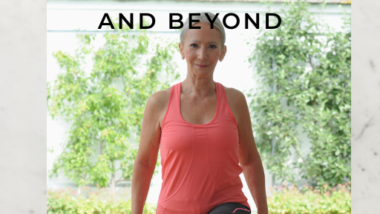
Embracing Fitness After 50:
A Comprehensive Guide to Staying Fit and Healthy.
As we age, our bodies undergo various changes that can affect our physical fitness, metabolism, and overall health. Many individuals over 50 often grapple with concerns about weight management, muscle toning, and maintaining an active lifestyle. However, it’s important to understand that achieving and maintaining fitness after 50 is entirely possible and can lead to a more vibrant, healthier life. This article will explore various strategies, exercises, and lifestyle changes to help you thrive during this exciting stage of life.
Understanding the Flat Tummy Walk
One effective strategy to enhance fitness and promote weight loss is the "flat tummy walk." This walking technique focuses on engaging your core while walking, which can help tone your abdominal muscles and improve posture. To perform a flat tummy walk, keep your back straight, shoulders relaxed, and pull your belly button towards your spine. This not only helps with toning your tummy but also ensures you are using proper walking form, making your workouts more effective.
How to Lose Weight After 50
Losing weight after 50 can be challenging due to hormonal changes, particularly the decline in estrogen for women. However, it is achievable with the right approach. A safe and realistic goal is to aim for losing 1 to 2 kilograms per week through a combination of diet and exercise. Focus on a balanced diet rich in fruits, vegetables, lean proteins, and whole grains while reducing processed foods and sugars. Incorporating regular physical activity, such as walking, strength training, and flexibility exercises, is vital.
The Role of Walking in Weight Loss
Walking is an accessible and effective form of exercise for those over 50. A common benchmark is the goal of 10,000 steps per day, which roughly translates to about 8 kilometers. Walking this distance can burn approximately 300 to 400 calories, depending on your weight and walking pace. Regular walking not only aids in weight loss but also improves cardiovascular health, enhances mood, and boosts overall well-being.
Toning Specific Areas of the Body
Flabby Arms and Thighs
Concerns about flabby arms and inner thighs are common among older adults. The good news is that targeted exercises can help tone these areas. For flabby arms, exercises like tricep dips, push-ups, and bicep curls using light weights can be effective. For toning inner thighs, consider exercises like squats, lunges, and leg lifts. Consistency is key—aim to incorporate strength training at least two to three times a week.
Can You Get Toned After 50?
Absolutely! Many people find that they can achieve significant improvements in muscle tone and strength after 50. The human body has remarkable adaptability, and with regular strength training, you can develop lean muscle mass and increase your metabolic rate. This is particularly important as metabolism tends to slow down with age.
Addressing Hormonal Changes
Hormonal changes during menopause can affect body composition and energy levels, leading to weight gain, particularly around the abdomen. Signs of low estrogen may include mood swings, fatigue, and changes in skin elasticity. To counteract these effects, focus on a diet rich in phytoestrogens, such as soy products, flaxseeds, and whole grains, which can help balance hormone levels.
The Importance of Metabolism
Kickstarting your metabolism after 50 can be achieved through several strategies. Incorporating strength training, staying hydrated, eating enough protein, and ensuring adequate sleep can significantly impact metabolic function. Aim for at least 30 grams of protein within 30 minutes of waking up to support muscle repair and growth.
The Best Exercises for Over 50
When it comes to exercise, variety is crucial. Aim for a combination of cardio, strength training, and flexibility exercises:
- Cardio: Activities like brisk walking, swimming, or cycling are great for heart health and weight loss. One hour of walking can be sufficient cardio if done at a brisk pace.
- Strength Training: Focus on exercises that target major muscle groups at least twice a week. Deadlifts, squats, and resistance band workouts can be effective.
- Flexibility and Balance: Incorporating yoga or Pilates can improve flexibility and balance, reducing the risk of falls and injuries.
Nutrition Matters
A well-rounded diet is essential for maintaining health and fitness. The "200-calorie rule" suggests that creating a caloric deficit of 200 calories daily through diet and exercise can lead to gradual weight loss. Focus on whole foods, avoid fad diets, and ensure you are getting a mix of macronutrients—proteins, carbohydrates, and fats.
Supplements and Recovery
Some older adults may benefit from supplements, particularly vitamin D and calcium for bone health, and omega-3 fatty acids for cardiovascular health. However, it’s crucial to consult with a healthcare provider before starting any new supplements.
It’s Never Too Late
Turning 50 can indeed bring challenges, but it also opens the door to new opportunities for health and fitness. With the right mindset and a proactive approach, it’s entirely possible to not only maintain but also improve your physical health. Remember, fitness is a journey, not a destination. By embracing a balanced diet, staying active, and focusing on mental well-being, you can redefine what it means to be fit after 50. Let this be the decade where you take control of your health, empowering yourself to feel strong, confident, and vibrant at any age.
Your Best Email Address.
The book "The Easiest Way to Make Money Online" will be emailed to you here.